When Sandblasting Rust Is the Right Choice and When It Is Not
Rust is one of the most persistent challenges across industrial, commercial, and restoration sectors. Left untreated, corrosion can weaken metal structures, compromise safety, and lead to costly repairs or replacements, which is why sandblasting rust is often considered when an effective, long-term removal method is required.
This guide explains when sandblasting rust is the most effective solution and when alternative approaches may be more appropriate.
Understanding How Abrasive Blasting Removes Corrosion
Abrasive blasting works by propelling a chosen media at high speed onto a metal surface. The impact strips away corrosion, old coatings, and surface contaminants, leaving clean, exposed metal ready for further treatment. This method is widely used because it is fast, thorough, and capable of reaching complex shapes, joints, and uneven surfaces that manual methods often miss.
In industrial environments, sand blast rust removal is valued for its ability to restore heavily corroded steel components, machinery frames, and structural elements efficiently. The process does not repair metal or rebuild lost material; instead, it prepares the surface for welding, coating, or fabrication work that follows. When performed correctly, it significantly improves coating adhesion and extends the service life of the metal.
Selecting the Right Abrasive Media Matters
Not all blasting media perform the same, and selecting the best sand for sandblasting rust depends on several factors. The hardness of the metal, the depth of corrosion, the desired surface finish, and environmental considerations all play a role. Some abrasives are aggressive and ideal for thick corrosion layers, while others are chosen for controlled cleaning on more sensitive surfaces.
Professionals assess each project individually to ensure the chosen media removes corrosion effectively without unnecessary surface damage. Correct selection improves efficiency, reduces waste, and helps achieve consistent results across large or complex metal surfaces.
When This Method Is the Best Option
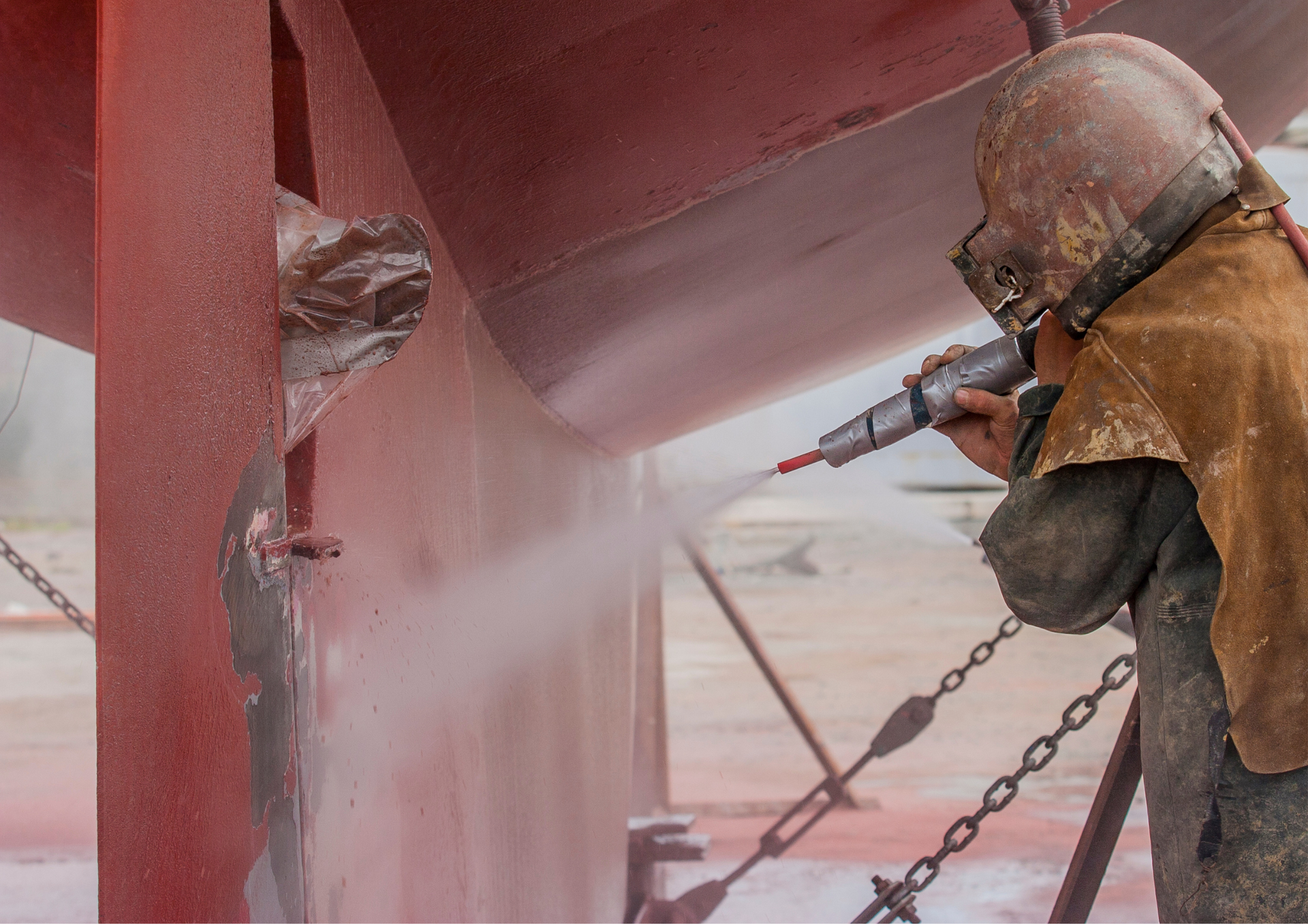
In many industrial and commercial settings, sandblasting rust is the preferred solution when corrosion is extensive or deeply embedded. Large steel structures, ship hulls, storage tanks, heavy equipment, and fabrication components often require a method that can handle scale and severity. Abrasive blasting excels in these scenarios because it cleans quickly and uniformly.
Sandblasting rust removal is also ideal when surfaces need to be fully prepared for protective coatings, paints, or linings. By creating a clean and slightly textured profile, it allows coatings to bond properly, reducing the risk of premature failure. For industries where downtime is costly, this efficiency is a major advantage.
Situations Where Sandblasting May Not Be Suitable
Despite its effectiveness, abrasive blasting is not always the right choice. Thin metals, delicate components, or historically significant structures may be at risk of distortion or surface loss if subjected to aggressive blasting. In these cases, less invasive techniques may be recommended.
For intricate items or surfaces where preserving fine detail is essential, alternative methods of blasting rust from metal or non-abrasive treatments can offer better control. A professional assessment is essential to balance effective corrosion removal with the preservation of the underlying material.
Safety, Environmental, and Cost Considerations
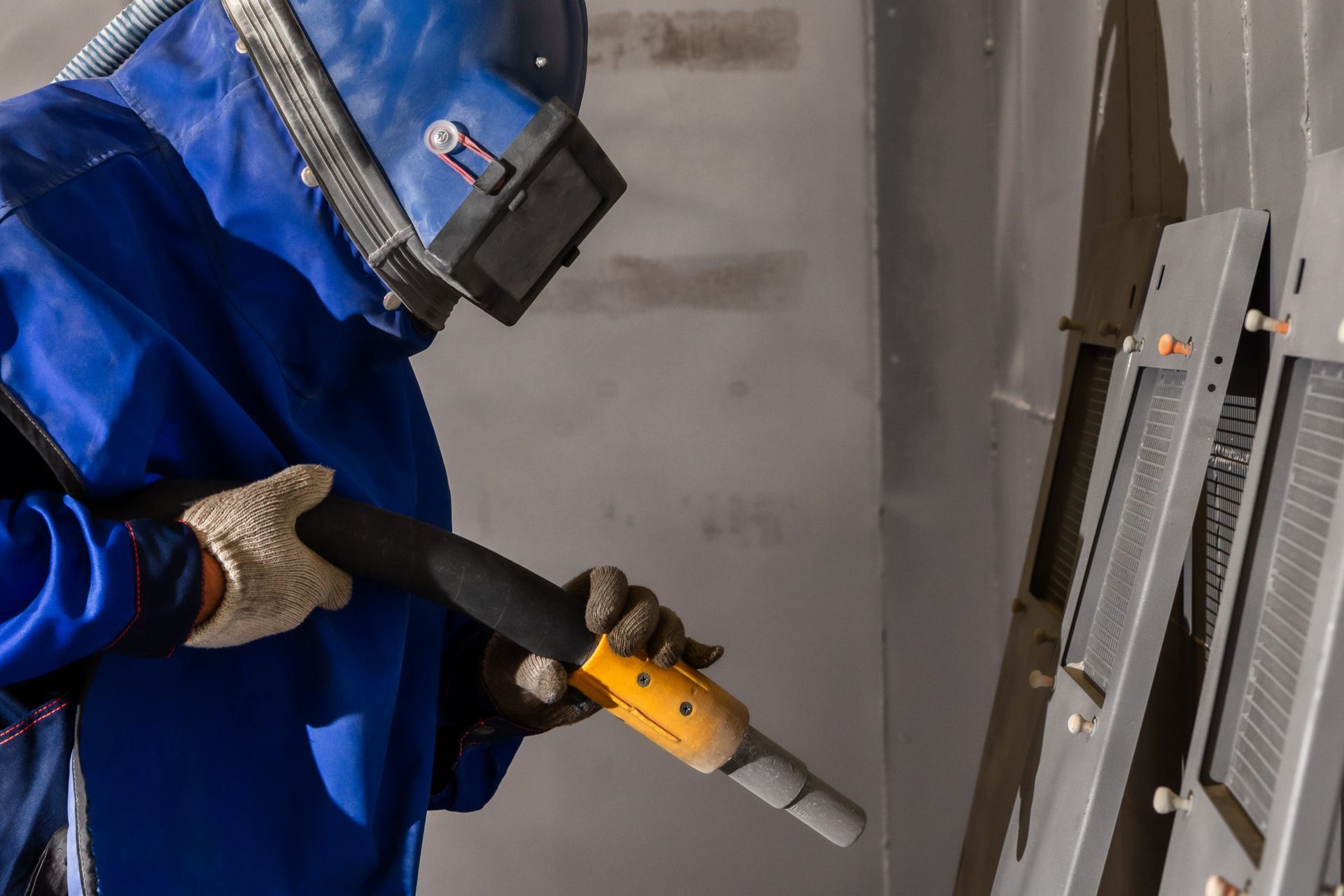
Abrasive blasting must always be carried out with strict safety controls. Dust management, personal protective equipment, and proper containment are critical to protecting workers and surrounding environments. Responsible operators follow established standards to minimise airborne particles and dispose of spent media correctly.
From a cost perspective, abrasive blasting is often economical for large-scale or severe corrosion projects. While initial setup and equipment may seem significant, the speed and completeness of the process can reduce labour time and prevent future corrosion-related failures. Understanding these factors helps organisations plan projects realistically and safely.
A Balanced Approach to Rust Removal
Choosing the right rust removal method is not about using the most aggressive option available, but about selecting the most appropriate one for the job. When used in the right circumstances, sandblasting rust delivers reliable, long-lasting results that support structural integrity and surface performance.
Equally important is recognising when another approach may better protect the metal or the object’s value. Expert advice ensures corrosion is removed effectively without unnecessary risk or expense.
AtSandblasting Specialists, we bring experience, technical knowledge, and a professional approach to every project. We work across construction, manufacturing, marine, energy, and restoration sectors, providing honest guidance on whether abrasive blasting is the right solution for your needs.
Our focus is on safe operation, appropriate media selection, and consistent results. We do not carry out on-site repairs or attempt to return vehicles or structures to service instantly; our role is to recover, clean, and prepare surfaces properly so that the next stage of work can be completed to a high standard. Clients choose us because we prioritise long-term outcomes, clear communication, and dependable workmanship.
Update on X:
Sandblasting rust – knowing when it’s the right solution!
You might also like